

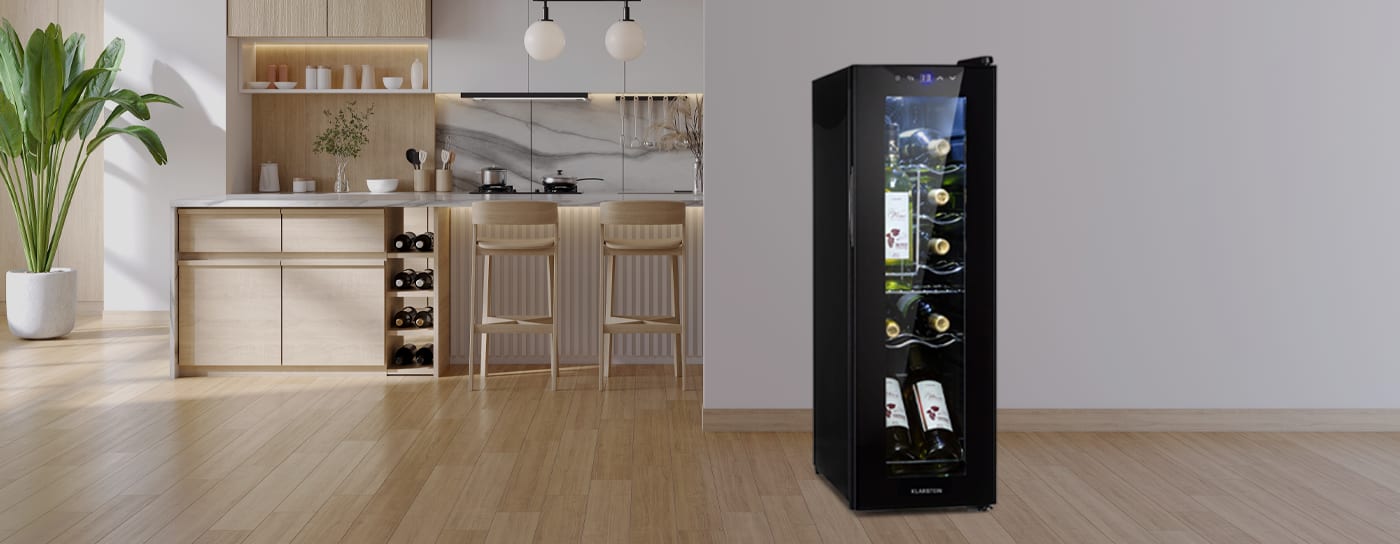
Buying a wine fridge : How to choose & What to look
A wine fridge is every wine lover's dream. The optimal storage conditions for each type of wine. Temperature, humidity, brightness and location perfectly under observation. So you can enjoy your favourite juice of the vine at any time and know: This is exactly the way it was meant to taste. When stored incorrectly, wines can be damaged in many ways and even absorb aromas from other foods. Thus, we are certain that everyone who appreciates fine wine needs a wine refrigerator. The Klarstein buying guide for wine fridges will show you what is really important when making a purchase!
Wine cooler: comparison of features and performance
Compare and know what you need: This is very important so that your wine fridge can do a good job for a long time.
- How big should the wine fridge be?
- Where do you want to put it?
- Does the wine cooler need multiple zones?
- Do you want a wine fridge or a wine tempering cabinet?
- What must the climate class or the energy consumtion of the wine fridge be?
All of these are questions that you should answer. Or rather, questions we can help you answer right now. We'll introduce you to different types and functions of wine coolers. This way, you can be well informed and then know exactly which wine fridge from Klarstein will enrich your life.
- How big should the wine fridge be?
- Where do you want to put it?
- Does the wine cooler need multiple zones?
- Do you want a wine fridge or a wine tempering cabinet?
- What must the climate class or the energy consumtion of the wine fridge be?
All of these are questions that you should answer. Or rather, questions we can help you answer right now. We'll introduce you to different types and functions of wine coolers. This way, you can be well informed and then know exactly which wine fridge from Klarstein will enrich your life.
Top Sellers
Wine cooler: comparison of features and performance
Compare and know what you need: This is very important so that your wine fridge can do a good job for a long time. How big should it be? Where do you want to put it? Does it need multiple zones? Do you want a wine fridge or a wine tempering cabinet? What must the climate class of the refrigerator be? All of these are questions that you should answer. Or rather, questions we can help you answer right now. We'll introduce you to different types and functions of wine refrigerators. This way, you can be well informed and then know exactly which wine refrigerator will enrich your life.
Buying advice: What to look for when buying a wine cooler?
A wine fridge ensures that your favourite wines are stored perfectly - whether for short-term temperature control or long-term storage. But with so many models and functions, the choice can quickly become confusing. This Klarstein buying guide will help you find the ideal wine cooler for your needs.
Capacity - How many bottles do you want to store?
Firstly, think about how many bottles of wine you want to store or chill regularly. For occasional drinkers, a small wine cooler with space for 6-20 bottles is sufficient. If you like to have a larger selection at home or if you collect bottles, you should choose an appliance with a capacity of 50 bottles or more. Also make sure that the bottles can be stored without crushing or stacking.
Climate zones - Which wine cooler is suitable for red and white wine?
One particularly important aspect is the number of temperature zones. A single-zone wine fridge is suitable if you only drink one type of wine (e.g. only red wine). Two-zone wine fridges, on the other hand, make it possible to store white and red wines at their respective optimum drinking temperatures at the same time. This is ideal for households who enjoy a mixed range of wines.
What types of wine refrigerators are there? - The right model for your kitchen
There are various types of wine fridges, which differ in terms of function and installation method:
- Two-zone wine fridge: Perfect for mixed wine lovers. Two separately adjustable cooling zones, for example for red and white wines.
- Built-in wine fridge: Fully integrated into the kitchen unit - ideal for a uniform kitchen design.
- Under-counter wine fridge: Fits under the worktop, often with front ventilation. A popular solution in modern kitchens.
- Free-standing wine refrigerator: Flexible placement, often with a larger capacity. Also suitable as a visual highlight in the living area.
- Two-zone wine fridge: Perfect for mixed wine lovers. Two separately adjustable cooling zones, for example for red and white wines.
- Built-in wine fridge: Fully integrated into the kitchen unit - ideal for a uniform kitchen design.
- Under-counter wine fridge: Fits under the worktop, often with front ventilation. A popular solution in modern kitchens.
- Free-standing wine refrigerator: Flexible placement, often with a larger capacity. Also suitable as a visual highlight in the living area.
How do I control the temperature range of my wine refrigerator?
Most wine refrigerators operate in a range of approx. 5 °C to 20 °C. It is important that the temperature can be set precisely and constantly - ideally via a digital display. Every degree counts, especially with high-quality wine, so that the flavour and maturing process are optimally preserved.
Storage conditions - How important are light, humidity and vibration?
UV-protected glass doors prevent sunlight from damaging the wine. A constant humidity of between 50 % and 80 % ensures that corks do not dry out. Low-noise and vibration-free compressors are also important, as vibrations can have a negative impact on the maturing process.
What energy efficiency and noise level should your wine cooler have?
As wine fridges usually run continuously, care should be taken to ensure low power consumption - ideally with energy efficiency class A or better. The volume is also important, especially for appliances in the living area. Models with quiet operation (below 40 dB) are preferable here.
Which design and features should you choose for your wine refrigerator?
Modern wine fridges from Klarstein offer wooden shelves, LED interior lighting and stylish stainless steel frames. Make sure that the shelves are extendable and can be adapted for larger bottles such as champagne if necessary. A child safety lock, door alarm and touch control panel further increase convenience.
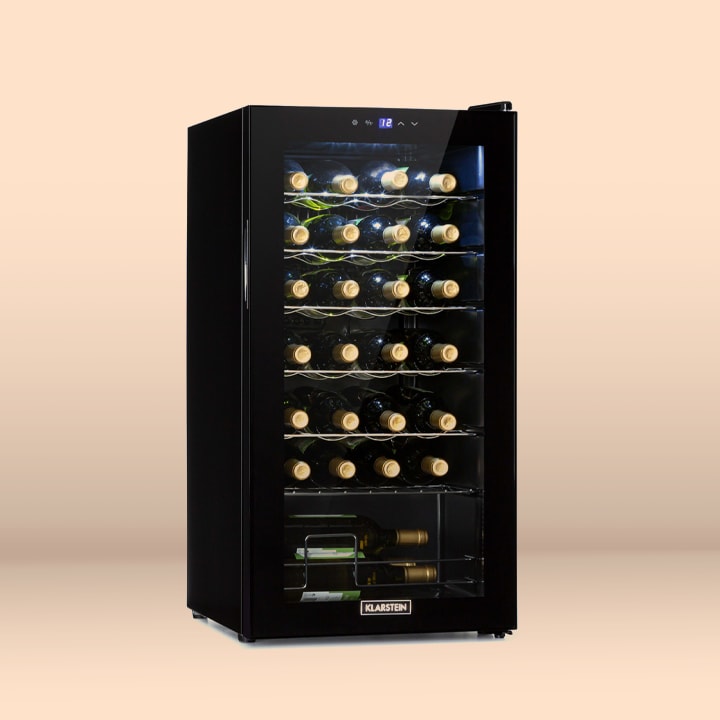
Freestanding wine refrigerator
Produkt-Tipp
Freestanding wine fridges - flexible and versatile
Freestanding wine fridges are the ideal solution for anyone who wants to store their wine collection flexibly. They do not require a fixed installation location and can be set up almost anywhere - whether in the kitchen, living room or cellar. Thanks to their different sizes and designs, they are suitable for both beginners and passionate collectors.
Freestanding wine fridges are the ideal solution for anyone who wants to store their wine collection flexibly. They do not require a fixed installation location and can be set up almost anywhere - whether in the kitchen, living room or cellar. Thanks to their different sizes and designs, they are suitable for both beginners and passionate collectors.
- Kann unabhängig von Installationanforderungen installiert werden: Nahtlos
- Oft größere Kapazität als Einbaugeräte: ohne zusätzlichen Stellraum
- Große Auswahl an Designs und Preisklassen: Gesamtbild
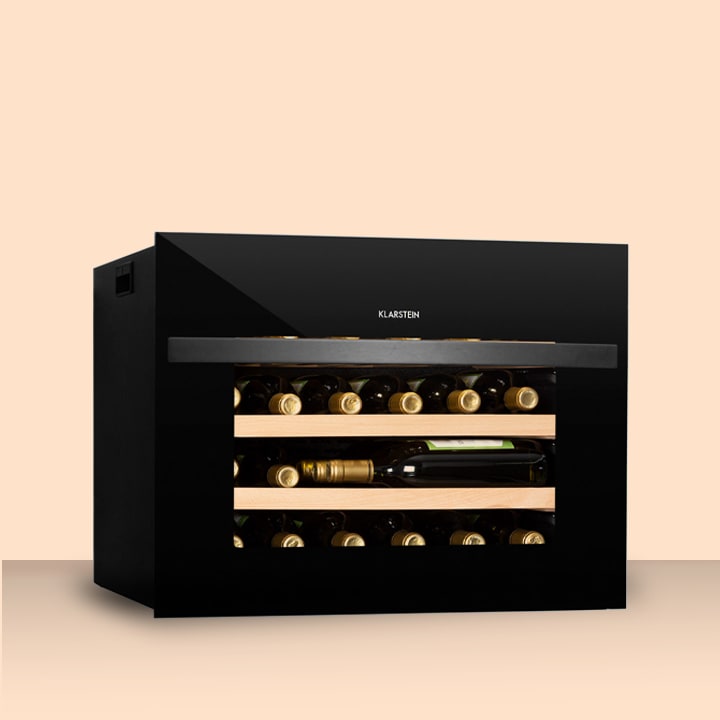
Built-in wine refrigerator
Produkt-Tipp
Built-in wine fridges - elegantly integrated and space-saving
Built-in wine fridges are integrated directly into kitchen units and blend seamlessly into the overall look. They are ideal for modern kitchens where functionality and design are equally important. The fixed installation gives them a particularly high-quality appearance and ensures a harmonious look.
Built-in wine fridges are integrated directly into kitchen units and blend seamlessly into the overall look. They are ideal for modern kitchens where functionality and design are equally important. The fixed installation gives them a particularly high-quality appearance and ensures a harmonious look.
- Kann perfekt ins Küchendesign integriert werden: Nahtlos
- Platzsparende Lösung: ohne zusätzlichen Stellraum
- Hochwertige und moderne Optik: Gesamtbild
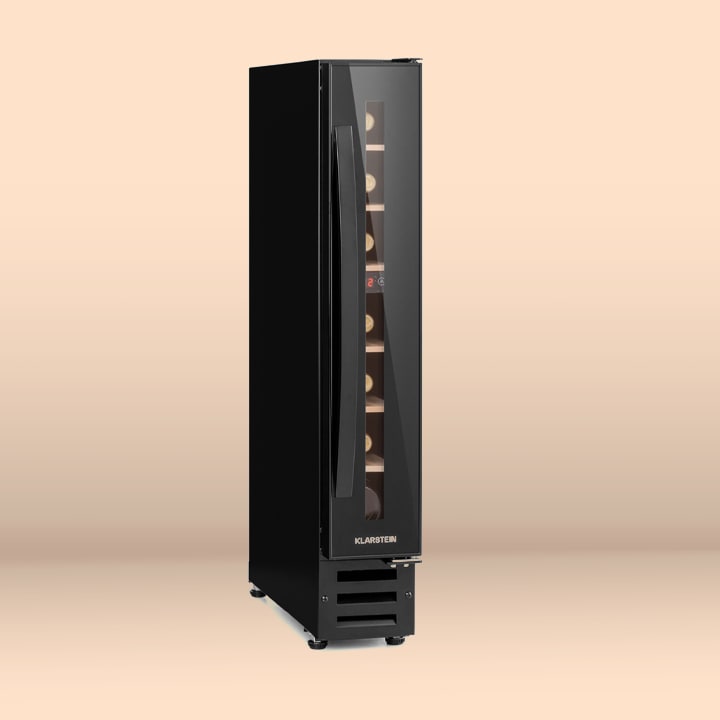
Under-counter wine refrigerator
Produkt-Tipp
Under-counter wine fridges - practical under the worktop
Under-counter wine fridges are specially designed to be installed under the kitchen worktop. They offer an elegant way to store wine bottles in a space-saving manner without having to compromise on stylish presentation. Thanks to their compact design and front ventilation, they are particularly suitable for smaller kitchens or flats.
Under-counter wine fridges are specially designed to be installed under the kitchen worktop. They offer an elegant way to store wine bottles in a space-saving manner without having to compromise on stylish presentation. Thanks to their compact design and front ventilation, they are particularly suitable for smaller kitchens or flats.
- Platzsparende Integration unter der Arbeitsplatte: Nahtlos
- Ideal für kleine bis mittelgroße Haushalte: ohne zusätzlichen Stellraum
- Frontlüftung ermöglicht einfache Installation: Gesamtbild
Two-zone wine refrigerator

Produkt-Tipp
Two-zone wine fridges - perfect temperature control for red and white wines
Two-zone wine fridges offer two separately adjustable temperature ranges so that both red and white wines can be stored simultaneously and served under optimum conditions. These appliances are ideal for wine lovers with a wide range of wines and high demands for drinking temperature and quality.
Two-zone wine fridges offer two separately adjustable temperature ranges so that both red and white wines can be stored simultaneously and served under optimum conditions. These appliances are ideal for wine lovers with a wide range of wines and high demands for drinking temperature and quality.
- Gleichzeitige Lagerung verschiedener Weinarten bei idealer Temperatur: Nahtlos
- Flexibel einstellbare Klimazonen für individuelle Anforderungen: ohne zusätzlichen Stellraum
- Ideal für Kenner und anspruchsvolle Weinliebhaber: Gesamtbild
Wine fridges in comparison
| Model Type | Advantages | Disadvantages | Who is it suitable for? | |
|---|---|---|---|---|
| Free-standing wine refrigerator |
- Can be set up flexibly - Often large capacity - Often less expensive |
- Requires sufficient floor space - Cannot always be integrated visually |
- For wine lovers with space who prefer flexibility and capacity | |
| Built-in wine refrigerator |
- Seamless integration - Space saving - High-quality appearance |
- More expensive to purchase & install - Usually less flexible to use |
- For design-conscious users with a modern fitted kitchen | |
| Under-counter wine refrigerator |
- Can be perfectly integrated under the worktop - Front ventilation - Space saving |
- Limited size selection - Fixed installation dimension required |
- For small to medium-sized households that have little space and pay attention to integration | |
| Two-zone wine refrigerator |
- Two separate temperature ranges - Ideal for red and white wine at the same time |
- Often more expensive than single-zone models - Requires more technology/space |
- For connoisseurs with a mixed range of wines and high demands on drinking temperature |
B-Stock
Viticulture with Klarstein
What types of wine are there and how do they differ? The Klarstein Wine Guide will be happy to explain this to you.!
White wine
White wine is one of the world's most popular varieties and is therefore one of the most welcome guests in wine fridges. Winemakers use almost exclusively light-coloured grapes to produce white wine. They are usually drunk at a young age and the taste of a white wine is usually characterised by freshness, fruitiness as well as a higher acidity compared to red wine. Well-known grape varieties are Riesling, Sauvignon Blanc and Pinot Blanc.
Red wine
For red wines, as the name and colour already suggest, only red grapes are used. The wines get their colour from the skin of the fruit, which ferments together with the must. Colour intensity and tannin content - i.e. the tannins - depend on the duration of contact between the must and the peels. The time span can range from a few days (for light red wines) to up to two weeks (for heavy red wines). If the wines mature in wooden barrels, they develop particularly balsamic notes and taste more resinous. Prestigious grape varieties for red wines are Merlot, Cabernet Sauvignon, Tempranillo, Pinot noir and Sangiovese.
Rosé wine
The product of blending white and red wine is a rosé wine. A little joke, but behind it lies a common misconception: many people think that rosé wines are made by mixing white and red grapes. In fact, in the European Union it is even forbidden to mix red and white wine to make rosé. No, only the red grapes are part of the production process and winemakers achieve the pale red colour because they separate the skins from the must very early, so that they release only a small amount of pigment. There is one exception, however: rosé champagne is made from a mixture of light and dark grapes. The grape varieties Pinot Noir, Tempranillo, Pinotage, Shiraz and Cabernet Sauvignon are considered typical for rosé wines.
Pearl wine
How it tingles! A Pearl wine or semi-sparkling wine usually receives additional carbonic acid that has escaped during the fermentation process. In Italy, such wines are labelled "frizzante" and the French call them "perlant". However, sparkling wines are only slightly sparkling with a pressure of just one to 2.5 bar. Popular representatives, also in wine refrigerators, are many Proseccos from Italy. The alcohol content is approximately 7 per cent by volume.
Sparkling wine
So-called still wines have hardly any alcohol as well as carbonic acid and act as the basis for sparkling wines that ferment in the bottle and thus develop natural carbonic acid and their alcohol content. To withstand the pressure of at least three bar, the bottles must be particularly thick-walled - we know this from popping New Year's Eve corks. If you are not familiar with the term sparkling wine, we are nevertheless sure that you know the best-known one: Champagne, which can only bear the noble name if it was produced in the French Champagne region. German sparkling wine (Sekt) and sparkling wine are often equated by name, although genuine German sparkling wine is always produced using a German still wine as a base.
Fine and sweet
Noble sweet wines are made partly or entirely from grapes that are affected by noble rot and contain little moisture. Don't allow the word "rot" to put you off, because the final product is delicious in every way. Because the special grapes give off much less liquid than normal light or dark grapes, the production process requires a lot of them - this also increases the cost of the concentrated sweet wines, which include the Hungarian Tokay and the Château d'Yquem from France.
Liqueur wine
If a wine has more than 15 percent by volume, it usually belongs to the category of liqueur wines. Either the processing of overripe grapes or the use of a base wine enriched by, for example, brandy is responsible for the high alcohol content. This reduces fermentation and ensures a higher sugar content in the grapes. Banyuls, Marsala, Madeira, port and sherry are particularly recommended.
Worth knowing: The perfect drinking temperature
We are taking a very liberal approach to the subject: There is no such thing as the best wine refrigerator or the only true drinking temperature. After all, what is the point of having a specific degree if the wine doesn't taste good that way? But beyond individual tastes, there are a few well-tempered guidelines that interested wine enthusiasts can follow in order to find the perfect drinking temperature for them. As a general rule, red wines should be drunk at around 18 degrees and white wines at around 10 degrees.